Caravan and Camping Laundry: Your Options Explained
June 18, 2026
Wave Divider

Last updated: June 2026 · By the team at Tanilba Bay Laundromat

Key takeaways

  • Caravanners and campers in Port Stephens have two main laundry options: on-site caravan park machines and a dedicated self-service laundromat.
  • Caravan park laundries suit small, frequent loads; a self-service laundromat suits big, bulky or heavily soiled loads like sleeping bags, camp blankets and a week of family washing.
  • Local Laundromat runs high-capacity machines at 1/150 Gan Gan Road, Anna Bay NSW 2316, close to the major Port Stephens holiday parks.
  • A sleeping bag, doona or large camp blanket needs an oversized commercial
  • drum — not a small caravan park washer — to wash and dry properly.

What are your laundry options when camping in Port Stephens?

Campers and caravanners in Port Stephens generally choose between two laundry options: the coin or card machines inside their caravan park, or a self-service laundromat in town. Each option solves a different problem. Caravan park laundries are convenient for a quick load between activities, while a self-service laundromat like Tanilba Bay Laundromat is built for the large, bulky and heavily soiled loads that camping naturally produces. Knowing when to use each one saves you time, queuing and money on a Port Stephens holiday.


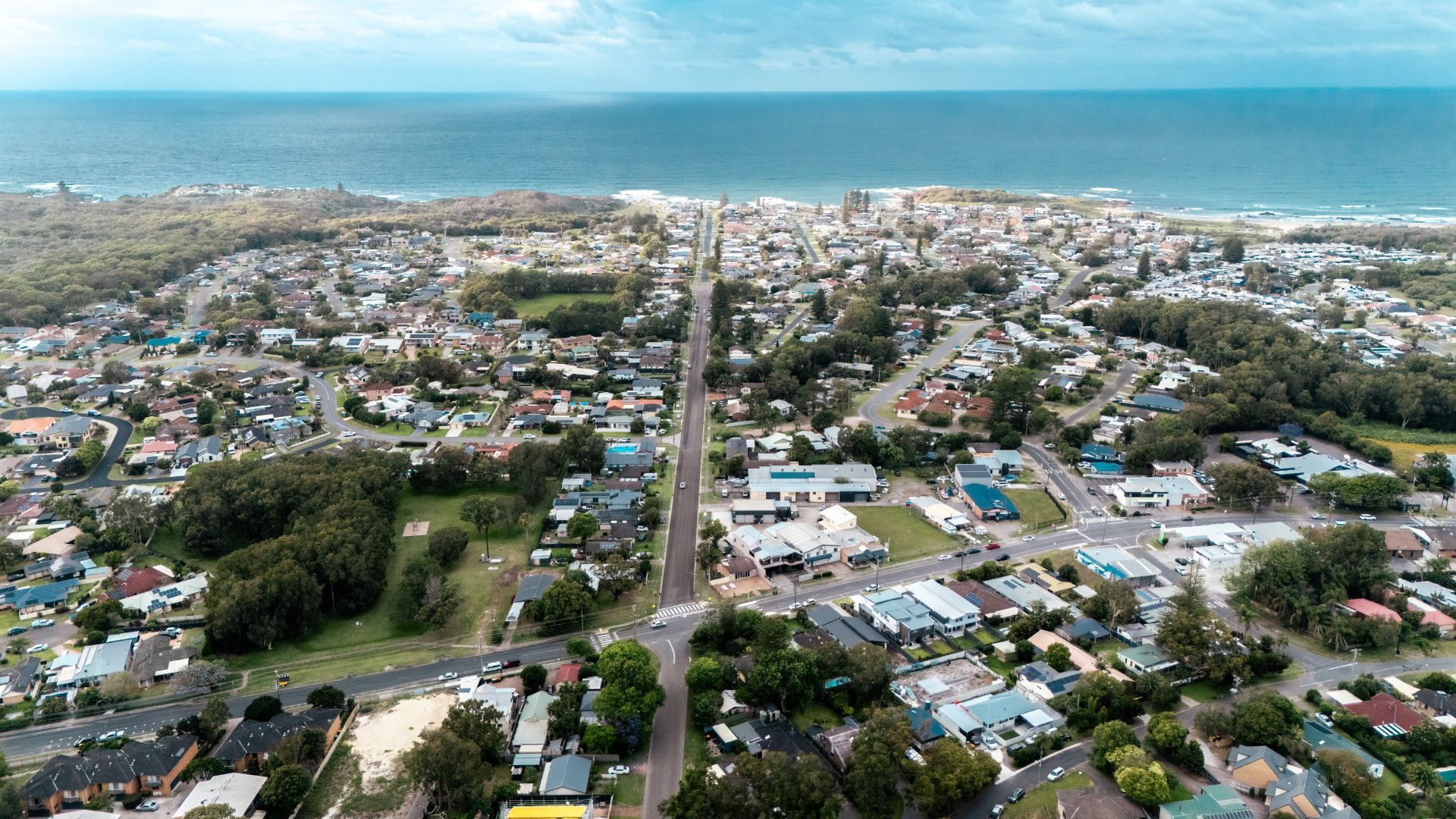
Port Stephens is one of New South Wales' busiest caravan and camping destinations, with parks clustered around Anna Bay, One Mile Beach, Nelson Bay and Shoal Bay. During school holidays these parks fill quickly, and so do their one or two shared washing machines. That is why many travellers plan a single trip to a proper laundromat instead of waiting in line at the campground.

Caravan park laundry vs a self-service laundromat: a comparison

The right choice depends on your load size, your timeline and how many machines your park has. Here is how caravan park laundries compare with Tanilba Bay Laundromat so you can decide before the laundry piles up.


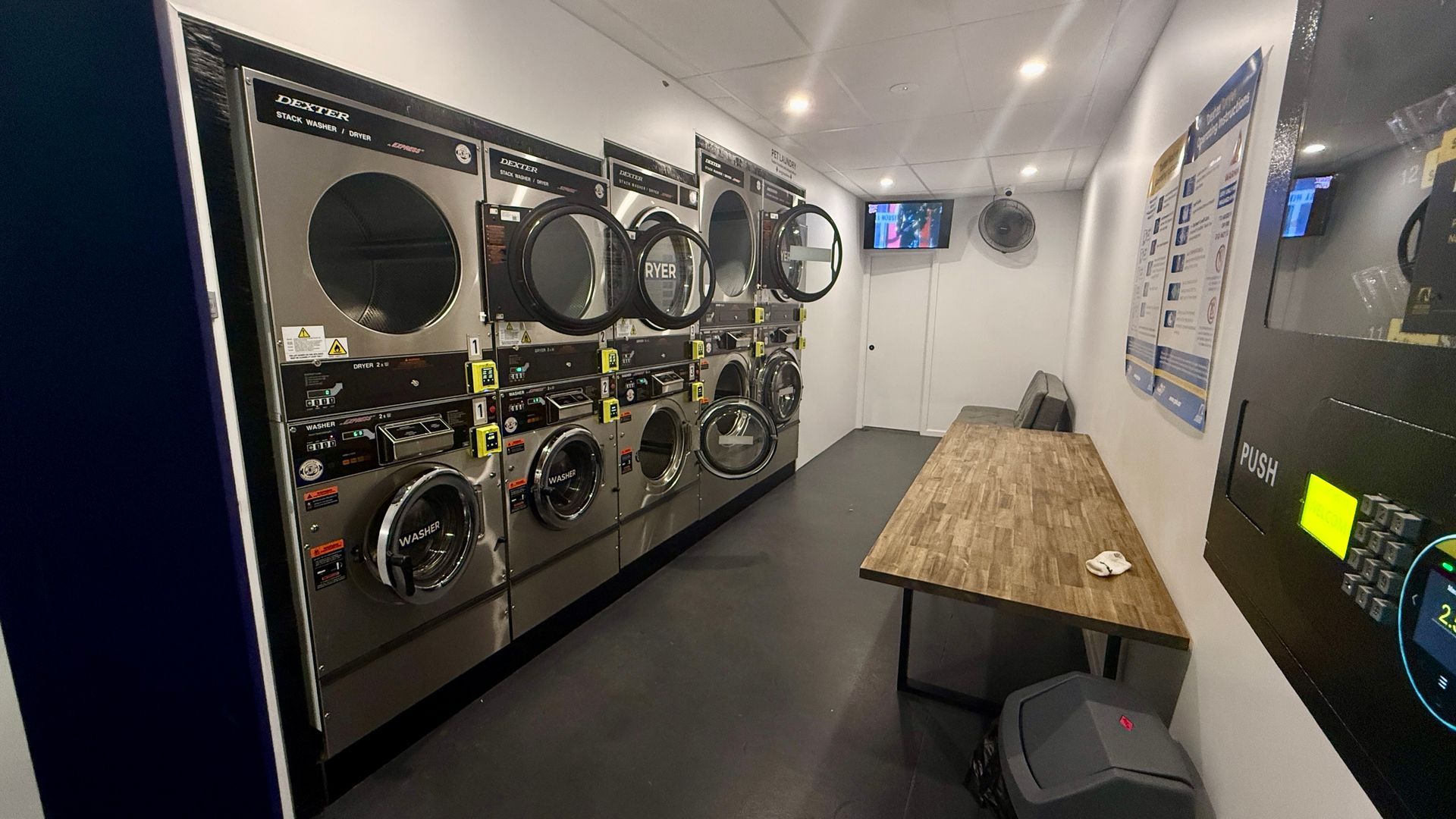
On capacity, caravan park laundries usually have small to standard household-size machines, whereas Tanilba Bay Laundromat runs high-capacity commercial machines. There is a big difference in numbers too. Parks often have only one or two machines, so queues build up, while the laundromat has several on the go and far less waiting. That shapes what each is best for. A park machine suits a single small wash, but the laundromat is built for big loads like bedding, sleeping bags and the whole family's washing.


Drying follows the same pattern. At a park it tends to be limited and sometimes line-dry only, while the laundromat has dedicated high-heat dryers that get everything dry quickly. Peak times are where the gap really shows, because park machines mean long queues during school holidays, whereas at the laundromat you can run several loads at once. The trade-off is location, since the park machine is right there at your campsite, while Tanilba Bay Laundromat is at 1/150 Gan Gan Road, Anna Bay NSW 2316.

Can you wash a sleeping bag at a laundromat?

Yes — a laundromat is the best place to wash a sleeping bag, because it needs a large commercial machine that domestic and caravan park washers usually cannot accommodate. A sleeping bag must be able to move freely in the drum to clean and rinse properly, and forcing one into a small top- loader can damage both the bag and the machine. At Tanilba Bay Laundromat, the high-capacity front-loaders give a sleeping bag, doona or large camp blanket room to tumble, wash evenly and dry fully. Always check the care label first, use a gentle detergent, and add clean tennis or dryer balls during drying to restore loft to a down or synthetic bag.

How do you wash camp bedding and blankets on a road trip?

The simplest way to handle camp bedding on a road trip is to batch it into one laundromat visit rather than fighting small machines along the way. Camp blankets, sleeping bags, mattress protectors and quilts are bulky and absorbent, so they need both an oversized drum and a high-heat dryer to come out clean and properly dry. Tanilba Bay Laundromat's heavy-duty laundering and drying services are suited to exactly this kind of load. Wash bedding separately from clothing, use the largest machine available, and allow extra drying time — thick camp blankets and sleeping bags often need a second dryer cycle.

How much laundry can you fit in one laundromat trip?

A single self-service laundromat visit can clear a whole campsite's washing if you run several machines at once. This is the main advantage over a caravan park laundry, where one or two shared machines mean you can only wash one load at a time. At Local Laundromat, you can start your bedding in one high-capacity machine, your clothes in another, and your towels in a third, then

move them all to the dryers together. A family camping trip's worth of laundry that would take a full day at a campground machine can be finished in a couple of hours.

Where is the closest laundromat to Port Stephens caravan

parks? The closest self-service laundromat to the main Anna Bay and Port Stephens caravan parks is Local Laundromat at 1/150 Gan Gan Road, Anna Bay NSW 2316. Gan Gan Road is the main route through Anna Bay, so the laundromat is an easy stop on the way to or from One Mile Beach, Birubi Beach and the Stockton Bight sand dunes. You can open directions in Google Maps to plan your trip.

Practical tips for laundry on a Port Stephens camping trip

A little planning turns laundry day into a quick errand rather than a holiday write-off. Shake sand and dirt out of everything before washing, because campsites and beaches leave grit that can clog machines. Bring your own detergent, coins or card, and a sturdy basket or bag. Wash your bulkiest items first so they get the most drying time. If your park has only one machine and a long queue, batch a week of washing into one laundromat trip instead of waiting daily. Finally, go early in the day, since laundromats and park machines are both busiest in the late afternoon after beach trips.

Frequently asked questions

Where can I do laundry while camping in Port Stephens?

You can use your caravan park's machines for small loads, or visit Local Laundromat at 1/150 Gan Gan Road, Anna Bay NSW 2316, for large or bulky loads. The laundromat is self-service and runs high-capacity machines suited to camp bedding.

Can you wash a sleeping bag at a laundromat?

Yes. A laundromat is the recommended place to wash a sleeping bag because it has the large commercial machines a sleeping bag needs to move freely, wash evenly and dry fully. Check the care label and use dryer balls to restore loft.

Is a laundromat cheaper than a caravan park laundry?

Cost depends on machine size and the number of loads, but a self-service laundromat is usually more economical for large or multiple loads because you can run several high-capacity machines at once instead of repeating small park

washes.

How long does it take to wash camping laundry?

Plan for about one to two hours. Washing takes 25 to 40 minutes and drying takes 30 to 45 minutes, though thick sleeping bags and camp blankets often need extra drying time.

Can I dry a sleeping bag or doona at the laundromat?

Yes. Tanilba Bay Laundromat has dedicated high-heat dryers suited to bulky items. Use dryer balls and allow extra time, as down and thick synthetic items can need a second cycle to dry completely.
By Local Laundromat July 16, 2026
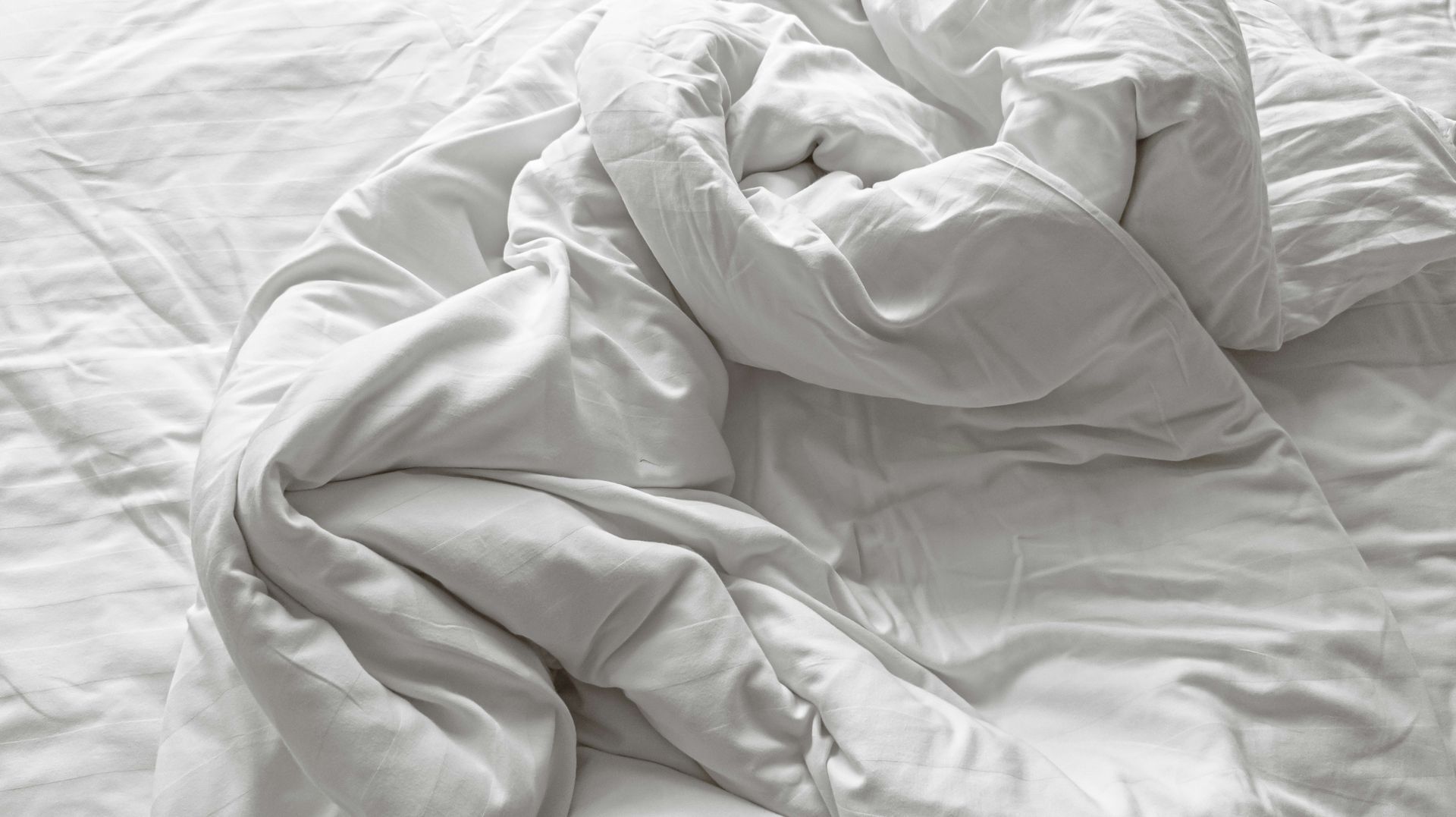
Last updated in July 2026 by The Local Laundromat Team Key takeaways Washing the doona is rarely the problem. Drying it is. A doona must be 100 percent dry before it goes back on the bed. Any dampness left in the filling causes the musty smell, and can lead to mildew. Check the care label first. Some doonas are dry clean only, and some fillings will not survive a home wash. A queen doona needs roughly an 8kg machine and a king around 9kg to 10kg. If your drum is smaller, the doona cannot move, so it does not clean or rinse properly. Skip the fabric softener and use less detergent than you think. Residue is what makes filling stiff and flat. Two or three clean tennis balls or dryer balls in the dryer break up clumps and restore loft. Winter is the hard season for this, because air drying a doona outdoors in July is slow and unreliable. Why does a doona never dry properly in winter? Because a doona is not one layer, it is a thick sealed pocket of filling, and the middle of it dries last. In summer you can hang it out and the sun and airflow do the work. In an Australian winter, and especially on a humid coastal stretch like the Tilligerry Peninsula, you often do not get a long enough dry, warm, breezy window to finish the job. What happens next is the bit people notice. The doona feels dry on the outside, so it goes back on the bed, but the core is still faintly damp. That trapped moisture is what produces the musty smell, and given long enough it produces mildew. Down and feather fillings are the least forgiving of all, because damp down clumps together and goes musty rather than drying out on its own. So the honest diagnosis is this. If you have washed a doona and it came back smelling stale, the wash was probably fine. The drying was not. Can you wash a doona at home? Often yes, provided the care label allows it and your machine is big enough. This is worth being straight about, because plenty of advice online overstates the case. The rule of thumb for capacity is that a single doona needs about 6kg, a double 7kg to 8kg, a queen about 8kg, a king around 9kg to 10kg, and a super king 12kg to 14kg. A reasonable number of Australian homes have an 8kg or 9kg machine, and those machines can wash a queen doona. The catch is that capacity is a minimum, not a target. The doona should fill the drum loosely with room to tumble, because water, detergent and the doona all need space to move. A queen doona forced into a 7kg drum does not wash, it just sits there getting soapy in patches. Many commercial laundries recommend an 18kg drum for a queen precisely because there is a difference between technically fitting and actually cleaning. Machine type matters too. A top loader with a centre agitator can twist and tear the fabric and leave the filling clumped and uneven. A front loader tumbles instead, which is much kinder to a bulky item. And check the label before anything else. Wool and silk doonas are frequently dry clean only, and some fillings will not survive a machine at all. How often should you wash a doona? Every three to six months for most people, and closer to every three months if anyone in the house has allergies or asthma. The reason is not really about visible dirt. A doona absorbs sweat, body oils and dead skin every night, and that warm environment is ideal for dust mites. The yellowing that turns up on an old doona is mostly sweat. The easiest way to reduce how often you need to do this is a doona cover, washed weekly with your sheets. The cover catches most of what would otherwise reach the filling. Pulling the doona back for an hour each morning instead of making the bed straight away also helps, because it lets moisture evaporate rather than sit in the filling. How to wash a doona properly Check the care label. If it says dry clean only, believe it. Spot treat any stains with a mild detergent or stain remover before washing, and give the doona a shake to loosen the filling. Use a cold or lukewarm gentle cycle. Hot water can shrink natural fibres like wool and can damage some synthetic fills. Wool doonas should go on a wool setting if the label permits washing at all. Use a mild liquid detergent, sparingly. Too much soap leaves residue that makes the filling stiff and can irritate skin. Skip fabric softener entirely, because it coats the fibres and flattens the loft that keeps you warm. Run an extra rinse if the machine has one. This is the step that stops residue building up in the filling. Dry it properly, and do not rush. This is the part that decides whether the job worked. How do you dry a doona so it actually dries? Use a large dryer on low heat, with two or three clean tennis balls or wool dryer balls in with it. The balls bounce around, break up clumps and help warm air move through the filling, which is what restores the loft. Never use high heat, because it can shrink the outer fabric and damage or melt some fillings. Take it out and shake it every so often. Pausing every 30 minutes or so, pulling the doona out, giving it a vigorous shake and breaking up any clumps by hand makes a real difference to whether the centre dries. Then test it before you call it done. Pinch the thickest sections and the corners. Any coolness or dampness at all means it is not finished. Down in particular needs to be bone dry. If you are air drying, maximise airflow. Drape the doona across two parallel lines so air can move above, below and through the middle, or spread it over three lines. Turn it over at least once. Allow around 24 hours, and be realistic about whether the weather is going to deliver that. When is it worth going to a laundromat? When the drying is the problem, which in winter it usually is. A commercial dryer is larger and more powerful than a domestic one, so the doona has room to tumble and gets dry all the way through in one go rather than over two damp days on a line. It is also worth it in a few specific cases: Your machine is too small for the doona, and cramming it in means it will not clean. You have a king or super king doona, which is awkward to handle at home even with a decent machine. There is real staining or built up body oil, which a bulky item in a small drum will not shift. You want it done today rather than waiting for a dry, sunny stretch that may not arrive until spring. For a rough sense of timing, a wash cycle at a laundromat commonly runs around 25 to 30 minutes and drying a heavy doona around 30 to 45 minutes, so this is typically an hour or so rather than an afternoon. Washing a doona in Tanilba Bay Tanilba Bay Local Laundromat has large front loading machines and commercial dryers, which is the combination that makes bulky bedding straightforward rather than a two day project. Payment is tap and go, so there is no hunting for coins. Frequently asked questions What size washing machine do I need to wash a doona? As a guide, roughly 6kg for a single, 7kg to 8kg for a double, 8kg for a queen, 9kg to 10kg for a king and 12kg to 14kg for a super king. The doona needs room to move, so treat these as minimums rather than a perfect fit. Why does my doona smell musty after washing? It almost certainly did not dry all the way through. Moisture trapped in the filling is what causes the smell, and if left it can become mildew. The doona needs to be completely dry, right to the core, before it goes back in its cover. Can you put a doona in the dryer? Yes, if the care label allows it. Use low heat and a dryer with enough room for the doona to tumble. High heat can clump the filling and shrink the outer fabric. Why do you put tennis balls in with a doona? They break up clumps of filling and help air circulate, which restores the loft. Two or three clean tennis balls or wool dryer balls work equally well. Can I use fabric softener on a doona? No. It coats the fibres and reduces fluffiness and warmth, and it leaves residue that attracts dust. How often should I wash my doona? Every three to six months for most households, and about every three months if you have allergies. Using a doona cover and washing it weekly with your sheets reduces how often the doona itself needs a wash. Can I wash a wool or silk doona at home? Often not. Wool and silk doonas are frequently dry clean only. Check the care label, and if it says dry clean only, do not risk it. General guidance only. Always check the care label on your doona, as instructions vary by filling and construction.
By Local Laundromat July 16, 2026
Last updated: July 2026 · By the team at Tanilba Bay Laundromat
By Tanilba Bay Laundromat Client June 16, 2026
How does a laundromat work? This first-timer's guide walks you through washing, drying and tap and go payment, so your first visit is quick and easy.
By Tanilba Bay Laundromat Client June 14, 2026
How to wash pet bedding at a laundromat: tackle fur, mud and odours with big machines that clean dog beds properly and spare your home washer the wear.
June 12, 2026
Heading to Anna Bay? This visitor's guide covers where to do your laundry, from easy self-service machines and tap and go payment to handy pet washing.